The Fallacy of the Spotless Lawn
For decades, urban gardeners were taught that beauty equates to uniform green velvet: short-cropped rye grass, sharp concrete curbing, and heavily sprayed border perimeters. From the perspective of a pollinator or ground-hunting carabus beetle, that landscape is equivalent to an open desert subjected to periodic blades.
Building a wildlife-supportive garden does not mean letting brambles swallow your washing line. It means establishing deliberate, orderly architectural zones that fulfill three non-negotiable biological imperatives: safe hydration, nesting density, and continuous seasonal forage.
270+
Native bee species across the British Isles and Western Europe, over 90% of which are non-social solitary nesters.
13 cm
The exact square gap needed at ground fence level for a European hedgehog (Erinaceus europaeus) to traverse foraging boundaries.
365 Days
Evergreen ivy (Hedera helix) provides crucial autumn nectar and late-winter berries when other flora are inert.
The Container Wetland
An old galvanized wash tub or half-whiskey barrel sunk into a shaded corner creates an immediate amphibian haven. Submerge a pot of hornwort for oxygenation, rest dry slate steps at one end, and newts and dragonflies will colonize within one breeding season.
Rotting Wood Matrix
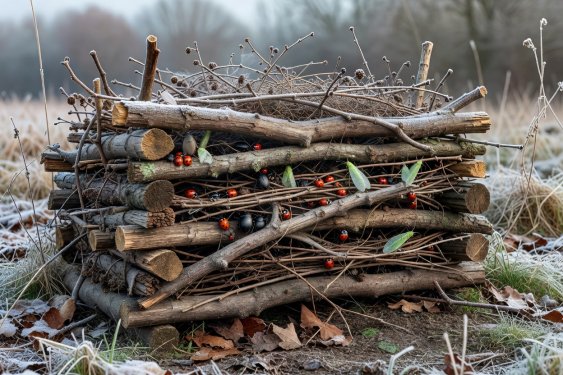
Fallen logs and pruning offcuts decay slowly, generating a fungal network that feeds springtails and woodlice. These form the base prey spectrum for wrens, robins, and slow worms hunting beneath ground cover.
Engineered Masonry Shelters
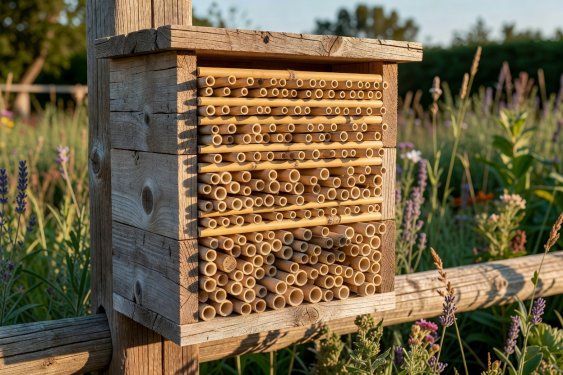
Cheap novelty bee hotels with frayed bamboo shoots damage delicate wings. Drill hardwood blocks with smooth 6mm and 8mm drill bits, ensure tubes are closed at the rear, and face them southeast toward early morning sun.
A Practical Sequence for Month One
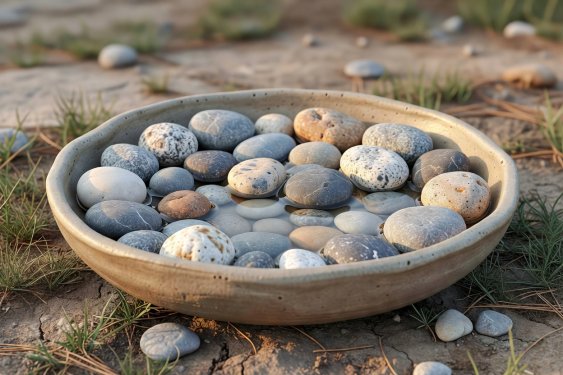
Start small. Do not rip up your entire perimeter at once. Begin by carving out a 1-meter square "refuge pocket" in your least-visited corner. Lay down three dry birch logs, scatter a handful of organic red clover and borage seed, and install a shallow stone saucer filled with freshwater and moss.